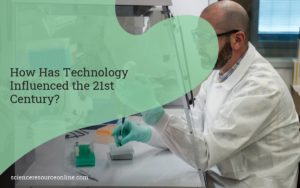
We are witnessing an incredible transformation in the field of scientific research due to digital technologies. This digital revolution is revolutionizing the way scientific discoveries are made, creating new possibilities and opportunities for innovation. In this article, we will explore the profound impact of digital transformation on scientific discoveries and how it is shaping the future of scientific research.
The scale of this transformation extends well beyond individual laboratories or disciplines, reshaping how scientific knowledge is produced, shared, and validated on a global level. Researchers across fields—from genomics to climate science—are navigating a rapidly evolving landscape where digital infrastructure underpins nearly every stage of inquiry. A thorough examination of the digital frontiers of scientific research reveals how interconnected these shifts truly are, offering essential context for understanding why specific collaborative tools have gained such widespread traction among modern research communities.
The Adoption of Digital Scientific Collaboration Tools
Digital transformation has revolutionized the scientific process, leading to the widespread adoption of digital scientific collaboration tools. These tools have become essential for researchers in various fields, including computer science, biochemistry, and life sciences. They enable seamless collaboration between scientists, breaking down geographical boundaries and allowing for real-time sharing and discussion of findings.
By leveraging digital collaboration tools, researchers can work together more efficiently, resulting in faster scientific discoveries. This enhanced collaboration not only accelerates the scientific process but also promotes knowledge exchange and cross-pollination of ideas.
To illustrate the impact of digital scientific collaboration tools, we can look at a comparison of research output before and after their adoption. The table below showcases the increased number of publications and collaborations in the field of biochemistry over a five-year period.
| Year | Publications | Collaborations |
|---|---|---|
| 2015 | 120 | 65 |
| 2020 | 230 | 120 |
As demonstrated in the table, the adoption of digital scientific collaboration tools has significantly increased both the number of publications and collaborations in the field. This demonstrates the positive impact of digital transformation on scientific research and the potential for even further growth and innovation in the future.
The Digitally Enabled Diffusion of Data and Code
In the digital era, the easy diffusion of data and code has become a crucial aspect of scientific research. While interpersonal exchanges among scientists continue to be common, there is a growing recognition of the importance of storing data and code in repositories. This enables researchers to easily access and share their work with others, promoting collaboration and accelerating the pace of scientific discoveries.
Storing data and code in repositories is only part of the equation — how that data is structured, labeled, and governed determines whether it remains accessible and trustworthy over time. Compliance frameworks provide the institutional scaffolding that ensures repositories meet recognized standards for metadata integrity, provenance tracking, and interoperability. digital compliance in scientific research establishes the procedural and regulatory groundwork that helps organizations align their archival practices with community-accepted norms, reducing the risk of data becoming siloed, misattributed, or incompatible with downstream systems.
However, challenges exist in the diffusion of data and code, particularly regarding the lack of proper metadata and compliance with standards. These issues hinder the reusability of shared data and code and limit its full potential for advancing scientific knowledge. Despite these challenges, the diffusion of data and code has gained significant traction in biochemistry and life sciences, where sharing practices are more prevalent compared to other fields.
Table: Comparing Data and Code Diffusion Across Scientific Fields
| Scientific Field | Percentage of Researchers Engaged in Data and Code Diffusion |
|---|---|
| Biochemistry | 67% |
| Computer Science | 52% |
| Physics | 35% |
| Psychology | 18% |
Furthermore, the accessibility of scientific publications has improved, with nearly 70% of articles being openly available for free one year after publication. This accessibility allows researchers from various disciplines to build upon existing knowledge and contribute to the advancement of science. By embracing digital practices and facilitating the diffusion of data and code, scientists can collectively push the boundaries of scientific research and innovation.
The Use of Advanced and Data-Intensive Digital Tools
The digital transformation in scientific research has paved the way for the utilization of advanced and data-intensive digital tools. These tools play a crucial role in collecting, processing, and analyzing large volumes of data, enabling researchers to gain valuable insights and make new scientific discoveries. In fields such as computer science and biochemistry, the use of these tools is particularly prevalent, driving innovation and advancements in scientific knowledge.
The Role of Advanced Digital Tools
Advanced digital tools, such as big data analytics, robotics, and the Internet of Things, have revolutionized the scientific landscape. With the power to handle complex datasets and perform intricate analyses, these tools empower researchers to identify patterns and trends that may have otherwise gone unnoticed. By leveraging these technologies, scientists can explore new avenues of research, predict outcomes, and make informed decisions based on comprehensive and precise data.
Data-Intensive Digital Tools in Scientific Research
Data-intensive digital tools have also transformed scientific research by enabling the efficient management and processing of vast amounts of data. Through techniques like machine learning and artificial intelligence, researchers can extract meaningful insights from complex datasets, accelerating the pace of scientific discoveries. These tools offer the potential to uncover hidden connections, identify correlations, and enhance our understanding of various scientific phenomena.
| Advanced Digital Tools | Data-Intensive Digital Tools |
|---|---|
| Big data analytics | Machine learning |
| Robotics | Artificial intelligence |
| Internet of Things | Data mining |
Through the use of advanced and data-intensive digital tools, researchers can delve deeper into scientific questions, uncover novel insights, and push the boundaries of knowledge. These tools have become indispensable in the modern scientific landscape, facilitating new discoveries and driving innovation across diverse fields of research.
The Development of Digital Identities and Online Communication
In the digital era, scientific researchers have embraced the development of digital identities and the opportunities for online communication. With the rise of digital transformation, researchers now have the ability to build and maintain their digital presence, effectively showcasing their work to a wider audience. Online platforms provide scientists with an interactive space where they can engage with peers, share their findings, and collaborate on projects regardless of geographical boundaries.
This digital shift has significantly increased the visibility of scientific work and the dissemination of knowledge. Researchers can now reach a broader audience through various online channels, including social media, academic networking platforms, and research blogs. This online communication allows for real-time discussions, feedback, and collaboration, fostering a more dynamic and interactive scientific community.
The Benefits of Digital Identities and Online Communication
The development of digital identities and online communication presents several benefits for scientific researchers. First, it allows scientists to establish their credibility and expertise by showcasing their publications, research projects, and collaborations. This enhances their professional reputation and increases their chances of collaboration and networking.
Second, online communication enables researchers to engage with a wider audience beyond the scientific community. By sharing their work in accessible and engaging formats, scientists can bridge the gap between academia and society, making scientific knowledge more comprehensible and relevant to the general public.
| Benefits of Digital Identities and Online Communication |
|---|
| Increased visibility and exposure for researchers and their work |
| Enhanced collaboration opportunities regardless of geographical boundaries |
| Improved credibility and reputation within the scientific community |
| Greater accessibility of scientific knowledge to the general public |
Overall, the development of digital identities and online communication has transformed the way scientists share, collaborate, and engage with their peers and the broader community. It has opened up new avenues for collaboration and knowledge dissemination, fostering a more connected and accessible scientific landscape.
Challenges in the Digital Era for Scientific Authors
In the digital era, scientific authors face a range of challenges that come with the adoption of digital technologies. Access to data, skills, and infrastructure are commonly cited as the main challenges in this new landscape. Developing countries often struggle with inadequate infrastructure, hindering their ability to fully embrace digital work. Additionally, data collection and curation skills are crucial across various scientific fields, requiring continuous training and development.
Intellectual property protection, dissemination costs, and privacy and ethical issues are also significant obstacles that scientific authors must navigate in the digital era. The question of who owns the data and code generated through scientific research remains a contentious issue, with implications for collaboration and future innovation. Furthermore, the cost of disseminating research findings digitally and ensuring proper data security adds another layer of complexity.
Gender disparities in digital adoption are also apparent among scientific authors. Female authors are less likely to use advanced digital tools and engage in data and code sharing practices compared to their male counterparts. This highlights the need for addressing gender inequalities in digital skills and opportunities to ensure equitable participation and representation in the digital era.
| Challenges | Impact |
|---|---|
| Inadequate infrastructure in developing countries | Limiting access to digital tools and hindering collaboration |
| Lack of data collection and curation skills | Affecting the quality and reliability of research |
| Intellectual property protection | Raising questions about ownership and hindering collaboration |
| Dissemination costs | Adding financial barriers to sharing research findings |
| Privacy and ethical issues | Requiring careful consideration for responsible data use |
Despite these challenges, scientists generally have a positive opinion of digitalization and recognize its potential benefits. However, concerns remain about the impact on incentive systems and the quality of research output. Addressing these challenges will require collaborative efforts from researchers, institutions, and policymakers to ensure a supportive environment for scientific authors in the digital era.
Impacts of the Digitalization of Science
The digitalization of science has had significant impacts on the research landscape, influencing the way scientific discoveries are made and disseminated. One of the key impacts of digitalization is the increased scientific influence that comes with data and code sharing practices. When researchers openly share their data and code, it leads to greater visibility and a citation advantage. This means that their work is more likely to be recognized and referenced by other scientists, ultimately contributing to their scientific influence and reputation.
In addition to enhancing scientific influence, the adoption of advanced digital tools has also had a positive impact on research outcomes. These tools enable researchers to collect, process, and analyze large amounts of data, allowing them to uncover complex patterns and make new discoveries. In fields like computer science and biochemistry, where data-intensive research is common, the use of advanced digital tools has become essential for pushing the boundaries of scientific knowledge.
The Role of Digitalization in Beyond-Core Research Activities
Furthermore, the extensive use of digital tools in scientific research is correlated with greater involvement in activities beyond core research. Researchers who embrace digital practices are more likely to engage in business managerial activities and intellectual property rights protection. This diversification of responsibilities demonstrates the transformative potential of digitalization in science, allowing researchers to expand their impact beyond the confines of their specific research field.
It is important to note that while digitalization offers numerous benefits, there is currently no direct financial reward for digital practices in science. However, the advantages of increased scientific influence, improved research outcomes, and expanded opportunities for collaboration and engagement highlight the positive impacts of the digitalization of science.
| Impact | Description |
|---|---|
| Increased Scientific Influence | Data and code sharing practices lead to greater visibility and a citation advantage, enhancing the scientific influence of researchers. |
| Improved Research Outcomes | The use of advanced digital tools enables researchers to analyze large amounts of data and make new discoveries, pushing the boundaries of scientific knowledge. |
| Beyond-Core Research Activities | Digital practices in science are correlated with greater involvement in activities such as business managerial tasks and intellectual property rights protection, expanding the impact of researchers. |
Meeting Emerging Policy Needs in the Digital Era
In the ever-evolving landscape of scientific research, the digital era has ushered in new policy needs that require our attention. As we continue to witness the transformative power of digital technologies, policy makers must play a crucial role in ensuring effective governance and addressing emerging challenges.
It is worth recognizing that this policy demand does not emerge in a vacuum — the scientific and technological communities are themselves active participants in shaping the regulatory environment. The dynamics of science and technology influencing digital regulations reveal that researchers, institutions, and innovators are not simply subject to governance frameworks but are instrumental in defining them. Understanding this bidirectional relationship is essential before we examine how policies must be calibrated to reflect the uneven pace of digital adoption across different scientific disciplines.
With the distribution and nature of digital activity in science varying across fields and sectors, it is important to consider norms, incentives, experience, skills, and data availability when formulating policies. By seizing the opportunities presented by digital transformation, we can create an environment that supports platform technologies for science and fosters collaboration and cooperation.
Alongside these present-day policy challenges, it is equally important to anticipate where digital science is heading. Shifts in artificial intelligence, open data infrastructure, and computational research methods are already reshaping what scientific practice looks like across sectors — and policymakers who engage proactively with these trajectories will be better positioned to design durable, future-proof frameworks. A close examination of emerging predictions for digital scientific research underscores why governmental investment in skills and public sector capacity must be treated not merely as a reactive measure, but as a strategic, forward-looking priority.
To fully harness the potential of digital technology in science and innovation, governments should focus on developing digital skills, committing to public sector research, and building expertise within governmental institutions. By doing so, we can create an ecosystem that embraces digital transformation and leverages its benefits to drive scientific progress.

Logan Bessant is a dedicated science educator and the founder of Science Resource Online, launched in 2020. With a background in science education and a passion for accessible learning, Logan has built a platform that offers free, high-quality educational resources to learners of all ages and backgrounds.